All Categories
Featured
Adopting Green Planning Standards On Corporate Sites
Table of Contents
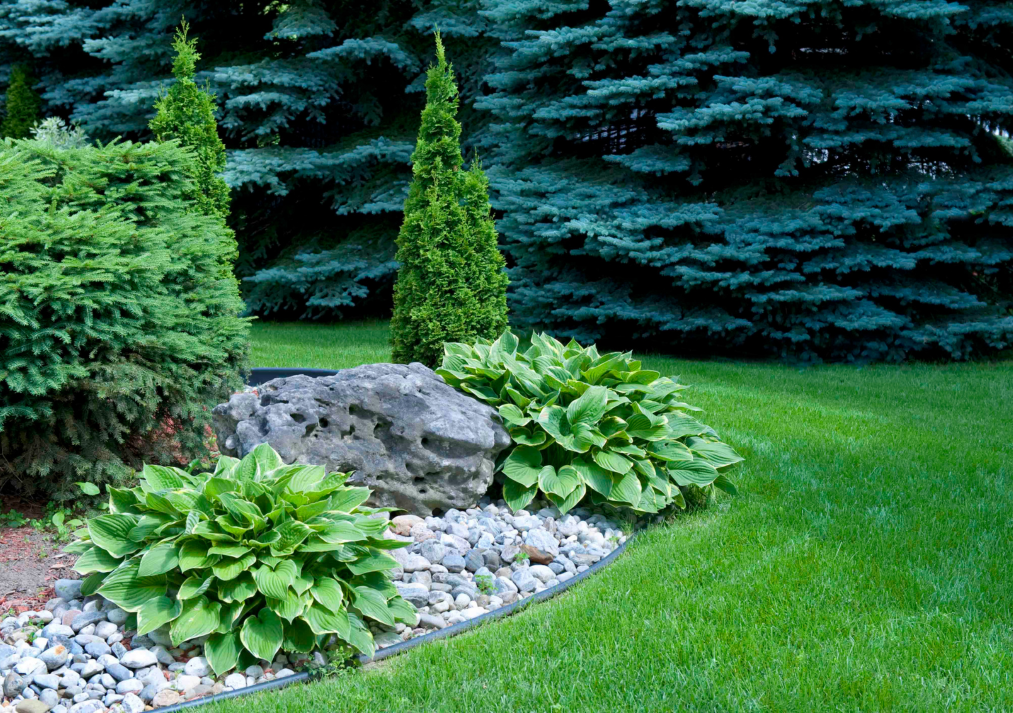
They need substantially less irrigation, less fertilizers and very little pest control compared to non-native or water-sensitive species. There's a growing preference for environmentally friendly, low-maintenance landscapes that decrease long-term operating costs while still looking sleek and welcoming. Native landscapes double as eco-friendly assets. They provide crucial resources for pollinators, birds and other wildlife.
It's a basic, high-value way to make your property more ecologically accountable. Overly manicured, extremely structured landscapes are decreasing in popularity.
Contemporary commercial style accepts color, texture and plant range to develop stimulating and welcoming outside spaces landscapes that evoke a connection to nature rather than managing it. As preferences move away from standard rule, properties are accepting modern landscaping elements rooted in naturalistic design. High-maintenance planting is no longer the expectation.
Layered lawns, native perennials, flowering shrubs and meadow-like plantings create a more lively and natural landscape. These varied structures add depth throughout the year, showcasing seasonal modifications in color and texture that more rigid styles can't duplicate. They also support greater biodiversity and lower the need for extensive pruning or regular replanting.
Commercial Erosion ControlBuilding Contemporary Commercial Hardscapes to Improve ROI
These multifunctional areas may consist of: These locations provide employees a refreshing option to indoor conference rooms, promoting imagination and efficiency while motivating teams to invest more time outside. Comfy, safeguarded seating locations permit staff and visitors to delight in lunch breaks, casual meetings or quiet work sessions outdoors. Curated paths encourage movement throughout the home.
These corrective corners provide a calm atmosphere where people can stop briefly, decompress and delight in the subtle aromas and sounds of the environment. Open, versatile areas support whatever from casual interacting socially to neighborhood activities. Properties can much better accommodate developing occupant and guest needs. Innovation is reshaping landscape management. Technology provides groups much more control over effectiveness, resource use and long-lasting operating costs.
Weather-based controllers automatically change schedules based on incoming storms or temperature shifts, and soil sensors determine moisture levels underneath the surface area to figure out whether water is really required. This level of accuracy avoids unnecessary watering and secures plants from overwatering.
Modern Outdoor Lighting Design for Corporate Campuses
Energy-efficient landscape lighting is picking up speed. LED systems utilize far less energy, last longer and provide tidy, even lighting that improves security after dark. With clear, consistent lighting, you can improve presence along sidewalks, entry points and parking areas. Modern lighting also improves nighttime visual appeals by highlighting details and signs to raise the property's total look.
By welcoming these 2026 landscaping patterns, home managers can reduce upkeep strain and create striking outdoor environments that really support the requirements of workers, renters and visitors. At DJ's Landscape Management, we specialize in setting up and keeping landscapes for commercial residential or commercial properties across Michigan. Our group can help your residential or commercial property stay present by improving planting beds, carrying out wise innovation or transitioning to low-maintenance, climate-resilient styles.
Property owners today expect outdoor areas to work as important parts of the home, supporting reality throughout altering seasons, family routines, and daily use. This shift has altered how they approach design decisions, putting less emphasis on ever-changing trends and more on what continues to work over time. For landscape design trends in 2026, the focus will be on choices that balance comfort, resilience, and versatility, so these extensions of the home stay functional and enjoyable for several years to come.
The patterns highlighted here concentrate on practical instructions, consisting of how to prepare zones that fit the method you live, how to choose materials that withstand weather and wear, and how to analyze durability, comfort, and motion before dedicating to a particular appearance. When patterns assist equate motivation into a plan that supports genuine usage, they end up being much more important than surface-level design ideas.
2026 Commercial Landscape Renovation Innovations
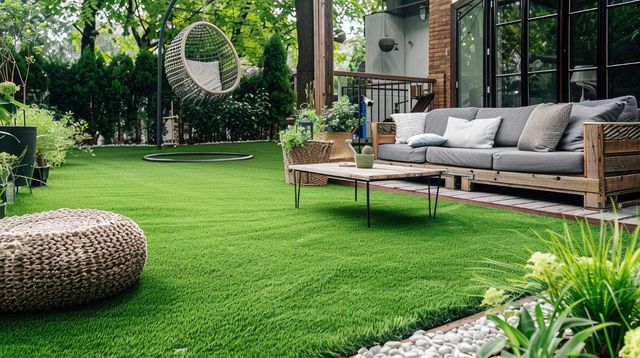
Rather than functioning as periodic event areas, this outside living trend reflects a shift toward spaces designed around how families actually spend time outdoors, whether that means relaxing after work, sharing meals, or hosting buddies on the weekends. The difference boils down to how these locations are prepared. Outdoor living-room rely on clear zones for seating, dining, and motion, arranged in ways that feel user-friendly.
Toughness and comfort are main to making outside living spaces feel like a natural extension of the home. Surface areas that can manage frequent usage, changing weather condition, and seasonal shifts assist ensure outside settings stay practical and inviting, rather than feeling booked for special events.

Latest Posts
Optimizing Water Conservation With Drought-Tolerant Landscaping
Top Benefits of Modern Erosion Design
Designing Modern Lighting in California