All Categories
Featured

Planning Modern Walkways Business Parks
Table of Contents
The site looks fine for a while, then sections dim unevenly or fail outright since the initial layout was never ever engineered for scale. Useful smart-control functions consist of: Better than fixed timers when sunset shifts seasonally. Useful in lower-traffic zones. Excellent for schools with minimal nighttime personnel. For properties evaluating broader effectiveness upgrades, it can assist to compare exterior controls with other LED lighting retrofit approaches in Riverside, then scale the reasoning to outside zoning and upkeep reaction.
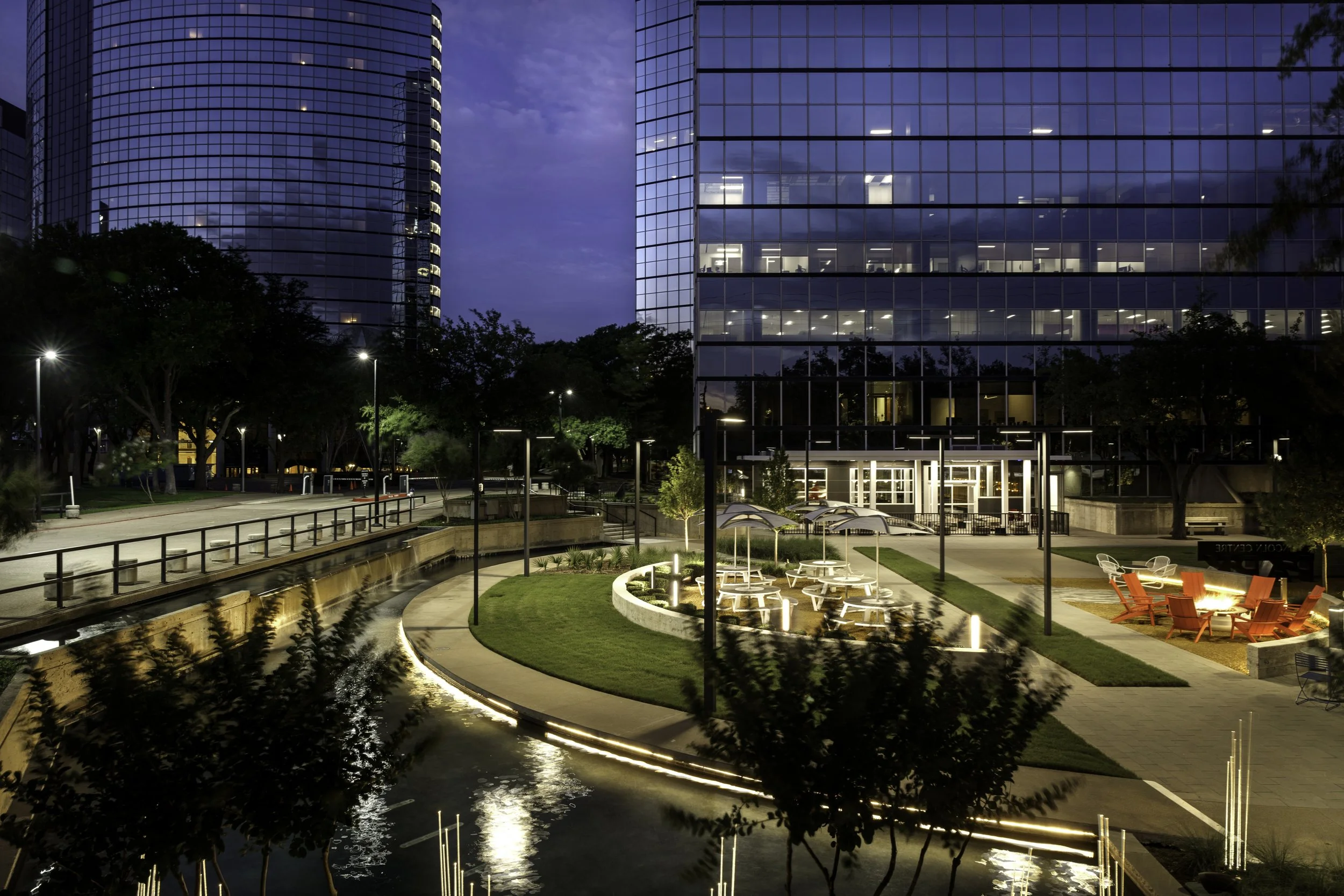
Stairs, seat walls, ramps, balcony edges, and grade modifications all need clear definition after dark. Recessed components fix that without adding poles, stakes, or decorative bollards that take on pedestrian space or get struck during maintenance. I suggest this approach usually for workplace courtyards, multifamily facility decks, hospitality terraces, and outdoor gathering locations with integrated masonry.
That offers property supervisors a cleaner daytime appearance and much better nighttime exposure in the very same install. Business case is uncomplicated. Integrated components normally cost more upfront than positioning a few surface area course lights, however they reduce clutter, improve glare control, and hold up better in high-traffic zones where exposed components are easy to damage.
Sustainable Commercial Landscape ProgramsThese components work best anywhere individuals move close to walls, actions, and keeping edges. The light stays low and directed at the walking surface, which helps in reducing locations and direct-view glare. That matters near entryways, outside dining locations, and stairs that face parking fields or drive aisles. A few information separate an excellent setup from a costly callback: This keeps the source out of direct sightlines and makes the stair edge simpler to check out.
Sustainable Landscape Trends in the US
Too few fixtures develop dark gaps. Teams attempt to light every stair run with neighboring path fixtures alone. Protection becomes irregular, the component count climbs, and the result still looks improvised.
That timing safeguards the budget more than any fixture alternative later. Most properties do not need more light. Layering is what separates an industrial lighting strategy from a collection of components.
This is also where the ROI photo gets sharper. LEDs now take in as much as 75% less energy than incandescent lamps and last 25 times longer, while a normal LED outside fixture can reach 50,000 hours compared to 2,000 hours for incandescent. Validated information likewise keeps in mind a 60% decrease in life time outdoor lighting expenses and roughly $15,000 per acre in annual maintenance-cost reduction on large industrial campuses and retail centers when maintenance frequency drops.
Start with blood circulation and liability. Include architectural focus second. End up with focal features just where they support the brand name or occupant experience. That series keeps the spending plan grounded and avoids over-lighting decorative areas while important routes stay weak. Another point matters for bigger sites. Confirmed information programs outside lighting represent about 4% of total outside electricity usage in commercial zones, and a transition to LED fixtures might conserve more than $1.2 billion annually throughout the United States according to a 2023 U.S.
Modernizing Outdoor Spaces for the Future
On a property-management level, that reinforces what a lot of operators currently presume. Great lighting design isn't just cosmetic. It belongs in lifecycle preparation. A layered technique is most convenient to deliver when lighting is coordinated with business landscape construction and setup rather of added at the end as a bolt-on package. Home managers normally need to choose under pressure.
A side by side comparison helps different high-impact upgrades from concepts that look great in a rendering but produce service headaches later on. Utilize the table below as a decision tool, not a design checklist. Each choice fixes a various company problem, brings a various upkeep load, and fits particular residential or commercial property types better than others.
2026 Trends for Commercial Renovation
Regular lens cleaning and fixture change are common. Wayfinding with Path and Location Lighting Improve pedestrian assistance and reduce trip-risk exposure Low to moderate Bollards, course components, pole lights, photocells or timers Scales well across big websites.
HOA typical areas, mixed-use paths, parking lot connections, plazas Often the finest very first financial investment since it addresses safety, flow, and look at the same time. Moonlighting for Subtle, Natural Sophistication Include soft overhead light without a severe component existence High Tree-mounted downlights, diffused optics, low-output LEDs, access planning Higher service cost since components need seasonal evaluation as trees grow and sway.

Latest Posts
Optimizing Water Conservation With Drought-Tolerant Landscaping
Top Benefits of Modern Erosion Design
Designing Modern Lighting in California