All Categories
Featured
Upcoming Site Renovation Trends to Follow for 2026
Table of Contents
There's a growing choice for eco-friendly, low-maintenance landscapes that minimize long-term operating costs while still looking sleek and welcoming. Native landscapes double as ecological possessions.
It's a basic, high-value method to make your residential or commercial property more environmentally accountable. Extremely manicured, extremely structured landscapes are declining in appeal. These designs often count on completely formed hedges, repetitive plant blocks and strict balance. This aesthetic can feel outdated or uninviting. They also require more upkeep and replacements, which develops higher long-lasting costs.
Contemporary business style welcomes color, texture and plant range to produce stimulating and welcoming outside spaces landscapes that stimulate a connection to nature instead of controlling it. As preferences move far from traditional rule, properties are welcoming modern landscaping elements rooted in naturalistic design. High-maintenance planting is no longer the expectation.
Layered turfs, native perennials, flowering shrubs and meadow-like plantings produce a more lively and organic landscape. These diverse compositions add depth throughout the year, showcasing seasonal modifications in color and texture that more stiff styles can't reproduce. They also support higher biodiversity and lower the requirement for intensive pruning or regular replanting.
Commercial Landscape CalculatorsUpcoming Landscape Renovation Trends to Watch in 2026
These multifunctional spaces might include: These locations offer employees a revitalizing option to indoor conference spaces, fostering imagination and productivity while motivating teams to spend more time outside. Comfortable, secured seating areas allow personnel and visitors to delight in lunch breaks, informal conferences or quiet work sessions outdoors. Curated pathways encourage movement throughout the property.
Innovation is improving landscape management. Innovation offers teams far more control over effectiveness, resource usage and long-term operating expenses.
Commercial Landscape CalculatorsWeather-based controllers automatically change schedules based on inbound storms or temperature level shifts, and soil sensors evaluate moisture levels below the surface area to figure out whether water is actually needed. This level of precision avoids unnecessary irrigation and safeguards plants from overwatering.
Building Eco-Conscious Commercial Grounds Using Native Plants
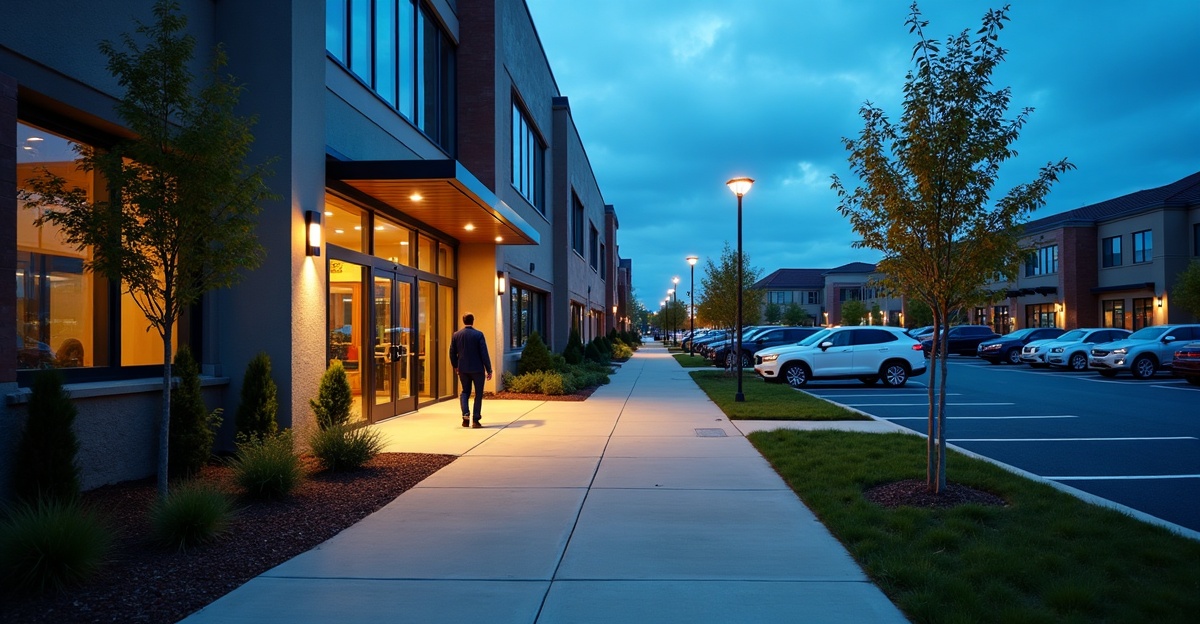
Energy-efficient landscape lighting is making headway. LED systems utilize far less energy, last longer and provide clean, even lighting that enhances safety after dark. With clear, constant lighting, you can improve presence along walkways, entry points and parking lot. Modern lighting likewise boosts nighttime aesthetic appeals by highlighting information and signage to raise the property's total appearance.
By accepting these 2026 landscaping trends, home supervisors can lower upkeep pressure and develop striking outside environments that truly support the requirements of employees, renters and visitors. At DJ's Landscape Management, we specialize in installing and keeping landscapes for industrial homes throughout Michigan. Our team can help your home remain present by modernizing planting beds, executing smart technology or transitioning to low-maintenance, climate-resilient designs.
Property owners today expect outside spaces to work as essential parts of the home, supporting reality throughout altering seasons, household regimens, and daily use. This shift has actually changed how they approach style choices, positioning less emphasis on ever-changing patterns and more on what continues to work over time. For landscape design patterns in 2026, the focus will be on options that stabilize convenience, toughness, and flexibility, so these extensions of the home remain practical and satisfying for years to come.
The trends highlighted here concentrate on practical direction, including how to plan zones that fit the method you live, how to select products that withstand weather and wear, and how to think through sturdiness, convenience, and movement before committing to a specific appearance. When patterns help equate motivation into a plan that supports real use, they end up being even more important than surface-level design concepts.
Maximizing Water Conservation Through Drought-Tolerant Landscaping
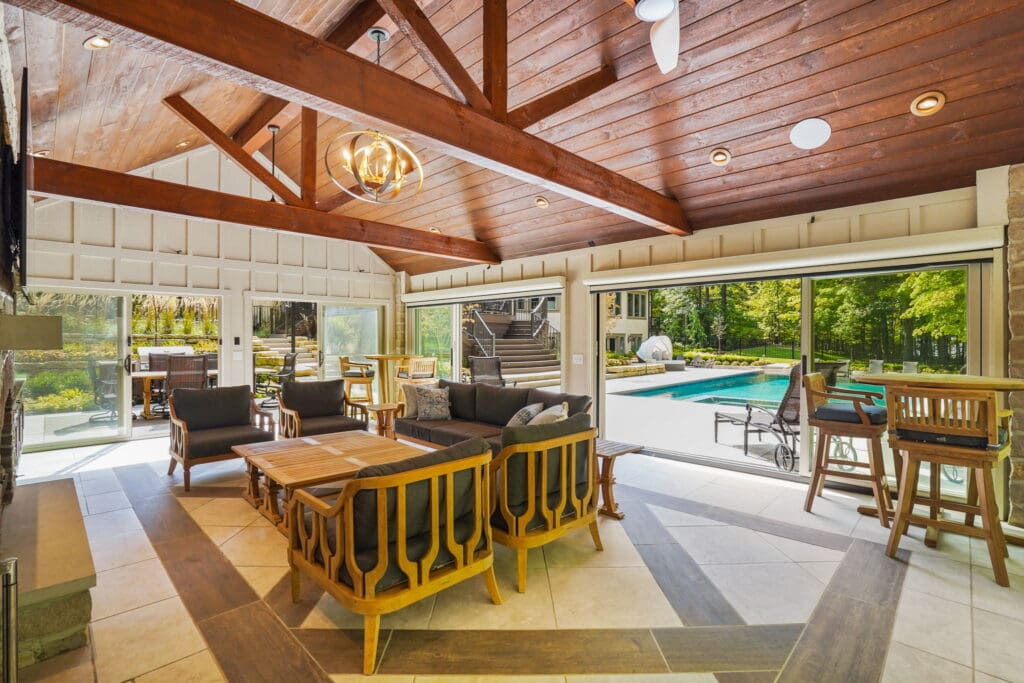
Rather than serving as occasional gathering spots, this outside living trend shows a shift toward spaces developed around how families in fact hang around outside, whether that implies relaxing after work, sharing meals, or hosting good friends on the weekends. The difference boils down to how these areas are prepared. Outdoor living rooms count on clear zones for seating, dining, and movement, organized in manner ins which feel intuitive.
Sturdiness and convenience are central to making outside living spaces feel like a natural extension of the home. Surfaces that can handle frequent usage, changing weather, and seasonal transitions help guarantee outdoor settings stay practical and welcoming, rather than feeling booked for special events.

Latest Posts
Why Choose Sustainable Site Architecture in California
Advanced Industrial Erosion Control Systems
Upcoming Site Renovation Trends to Follow for 2026